Today, the focus of our seminar was storytelling through objects. In the morning we had some fabulous conversations with Mychalene Giampaoli of NMAAHC and Jon West-Bay of the UMUC Art Program to discuss the basics of using objects to craft a narrative. As part of the discussion we each described the objects we chose in our first posts (see mine here), and then Mychalene presented us with her favorite object on display at NMAAHC: a teacup belonging to Ida B. Wells. I absolutely love the example that Mychalene gave us because she talked about objects the way that I like to think about objects. She created an image for us- “Imagine Ida B. Wells gathered with her friends, pouring tea into this teacup. What was said around the teacup? If it could talk, what would it say?”
Important takeaways from our morning discussions were:
- Make an ordinary object personal through narrative
- Put your object in context
- Think about how the object can speak to the audience
- Objects with the proper labels become so much more
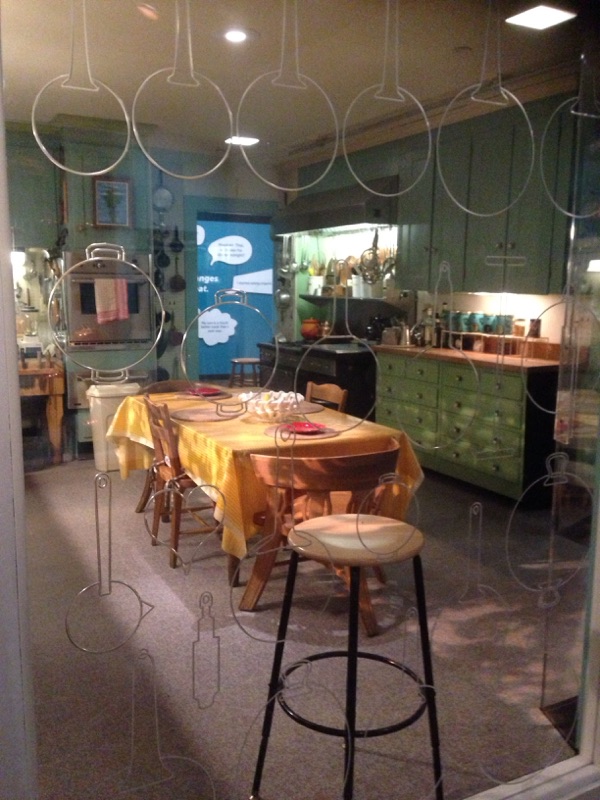
After lunch our group headed over to the National Museum of American History (one of my favorites!), and we met up at Julia Child’s kitchen for a lesson in object based learning with Judith Landau of NMAH. We started off by establishing what we already knew about the famous chef, and then studied her kitchen to see what knowledge we could gain through observation. That kitchen is one of my favorite pieces in the museum, so it was a joy to be able to study it for this seminar!
Then we wandered over to the archives in the opposite wing of the museum to meet with archivist Robert Horton and curator of food Paula Johnson. My favorite part of the day was listening to Paula describe her experience with Julia Child and the collecting of the kitchen. In the early 2000’s, Julia Child planned to retire from her television show and home in New England and move back to California. The museum contacted Julia to see if they could talk to her and maybe take some things from her kitchen for the collection, and Julia invited them to her home. Paula said that when they got to Julia’s house she realized that they needed the whole kitchen or none of it, because it would be a shame to break apart something so symbolic to the idea of the American home cook. After some discussion, Julia eventually agreed to let them take the whole kitchen.
“It’s going to be hard to talk about vegetable peelers as theworld is changing.”
-Julia Child
The Smithsonian team went back to her house a little while later, in September of 2001, to record Julia talking about her objects. While the team was waiting for Julia to come down to the kitchen from having her makeup done, they had turned on the tv to the news. It was September 11, 2001 and the twin towers had just gone down. They flipped the tv off and Julia came downstairs, aware of the news. “It’s going to be hard to talk about vegetable peelers as the world is changing,” she said, but she felt that they should continue with the interview and try to do their work since they couldn’t control what was happening in NYC.
The story told to us by Paula was such a powerful one. Imagine standing in Julia Child’s kitchen on such a terribly haunting moment in history. Surreal.
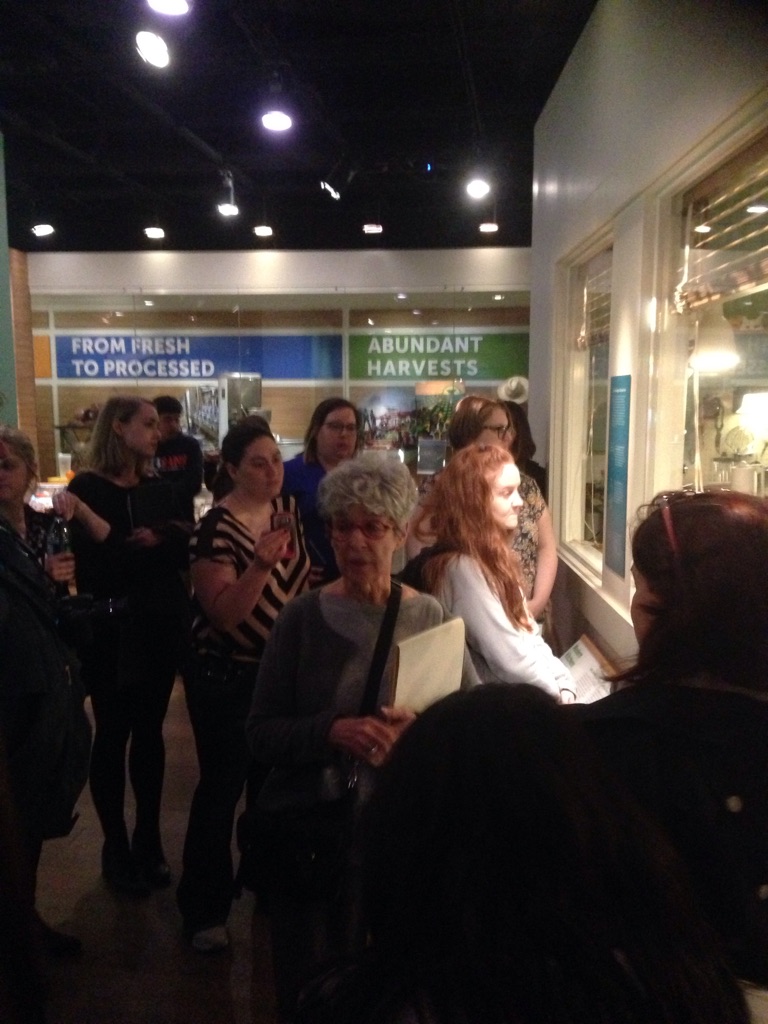
Judith Landau of NMAH teaching Object Based Learning 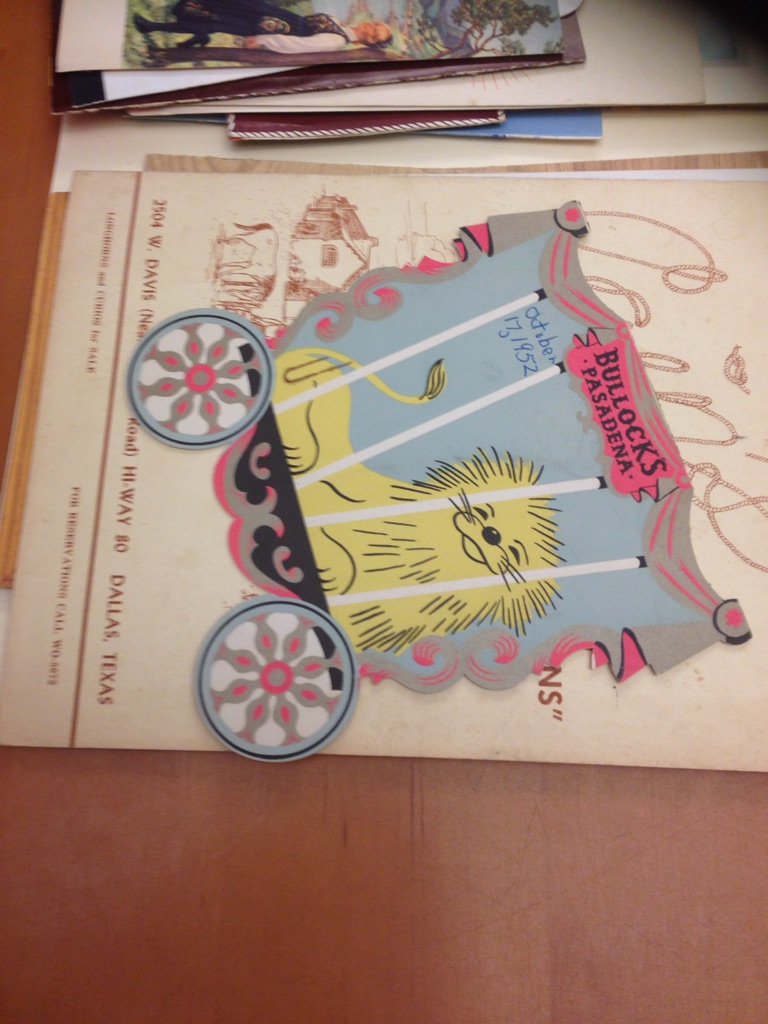
A children’s menu from the 1950’s 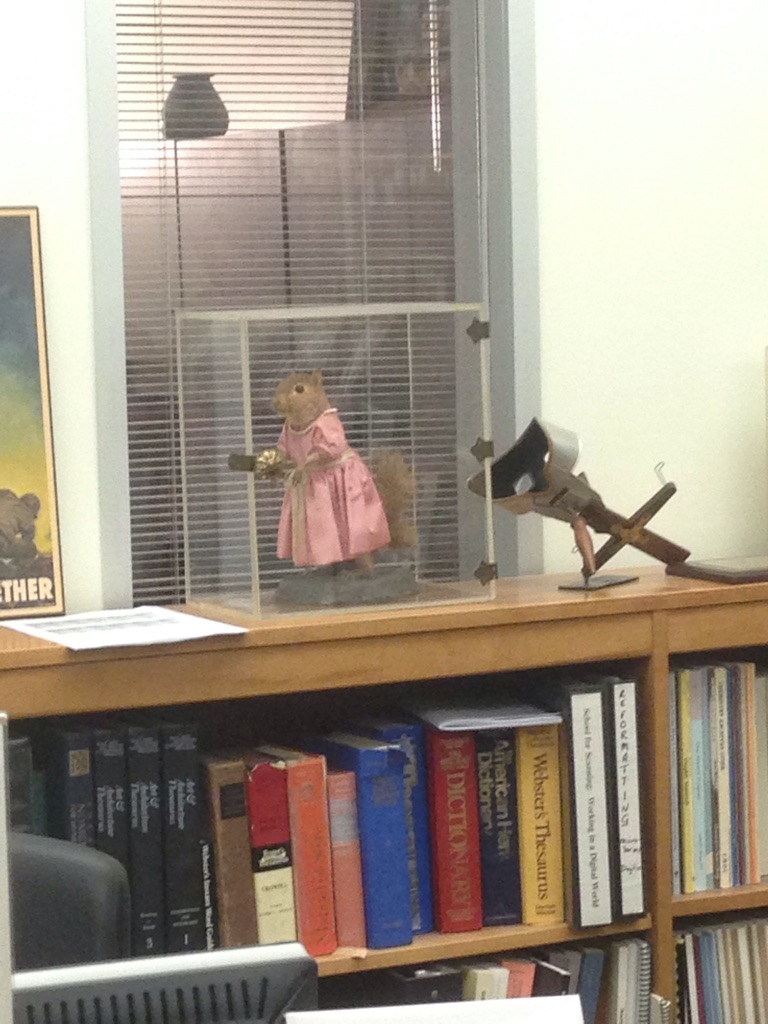
Tommy Tucker, a taxidermy activist squirrel 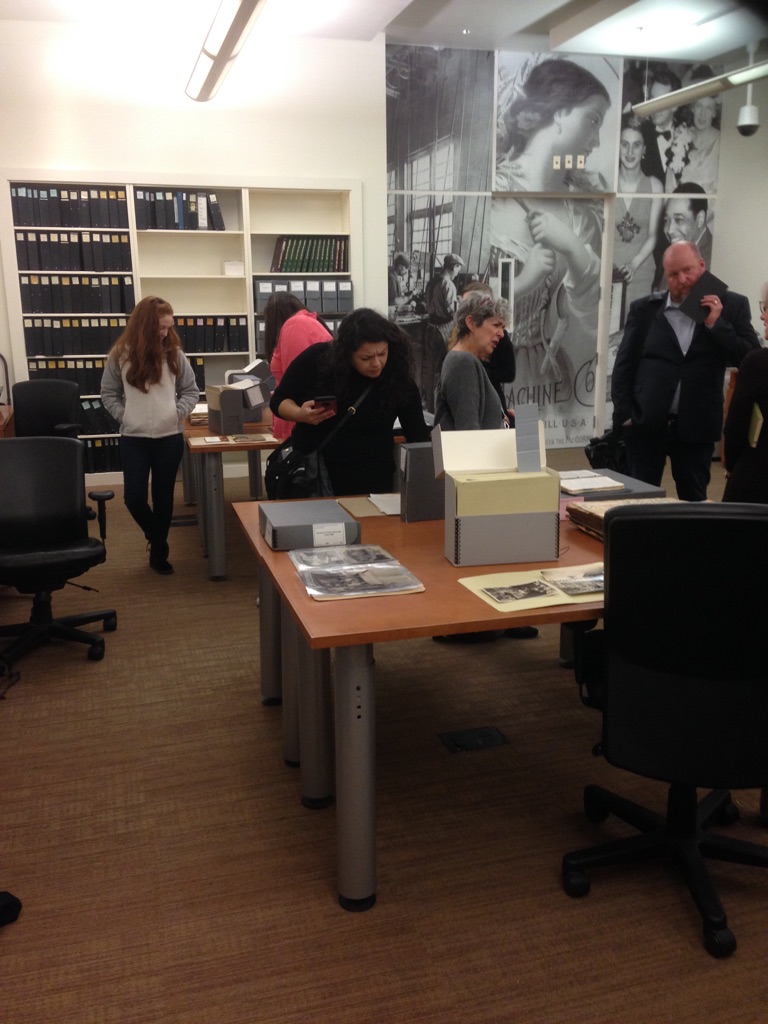
Visiting the archives at NMAH
 A Gal in the Galleries